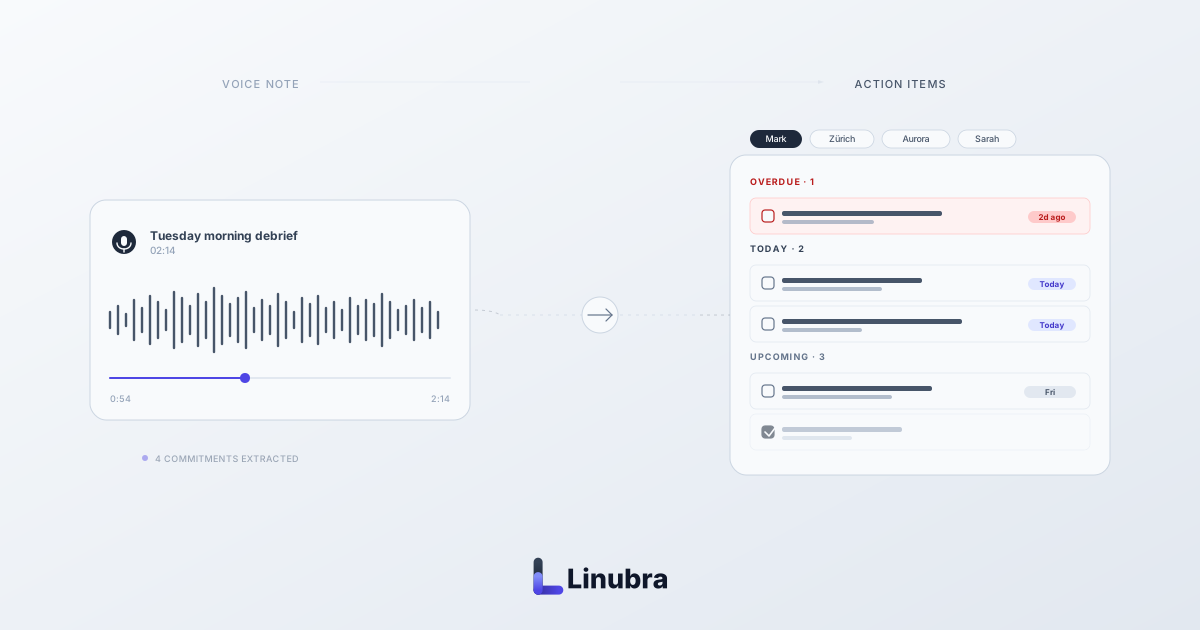
Your Voice Notes Now Have a To-Do List
Everything you said you'd do, in one place. Grouped by when it's due, filtered by who it's for, one tap away from the voice note it came from.


Founder
Software Architect & AI Engineer
Founder of Linubra. Building tools that capture reality and retrieve wisdom. Software architect with a passion for AI-powered knowledge systems and the intersection of memory science and technology.
Everything you said you'd do, in one place. Grouped by when it's due, filtered by who it's for, one tap away from the voice note it came from.
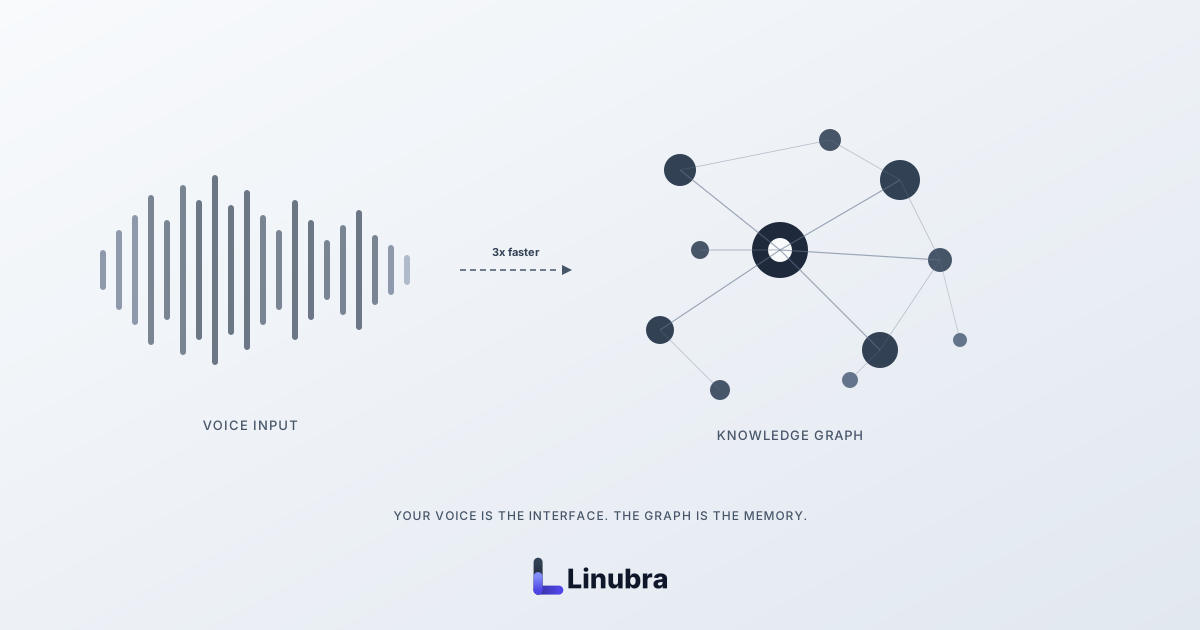
Every voice app on the market treats speech as a transcription problem. It isn't. It's a reasoning problem with a convenient input device attached to it.
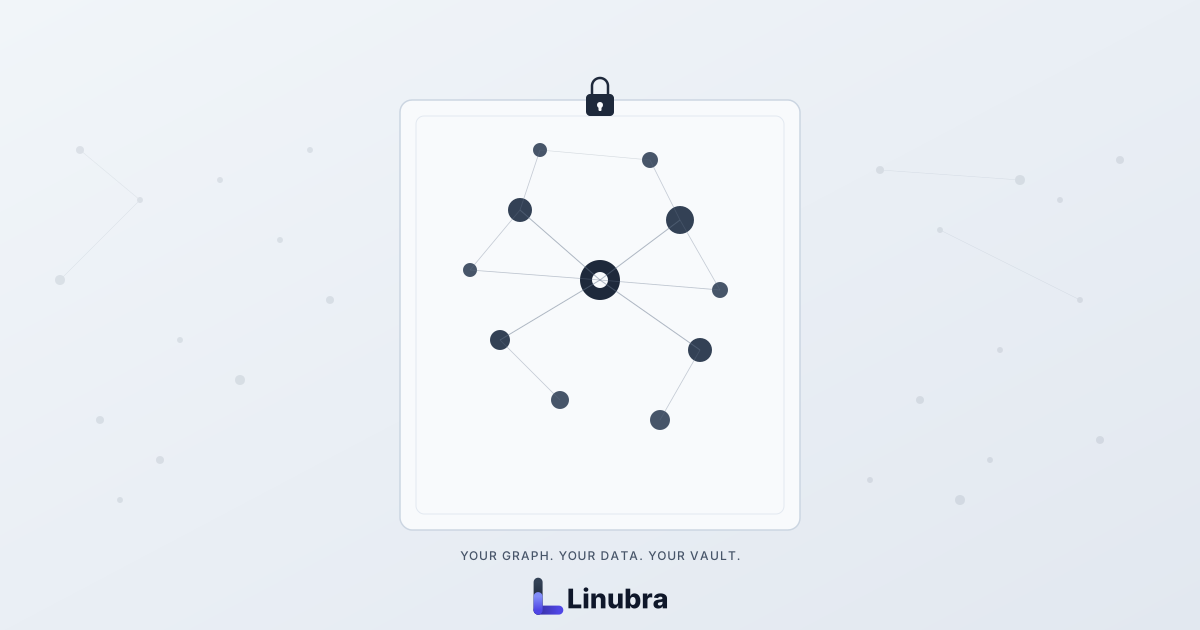
The standard 'free in exchange for your data' bargain works fine for a notes app. It doesn't work for a tool that remembers your meetings, your injuries, your finances, and the people you trust. Here's what the architecture looks like when you take that seriously.
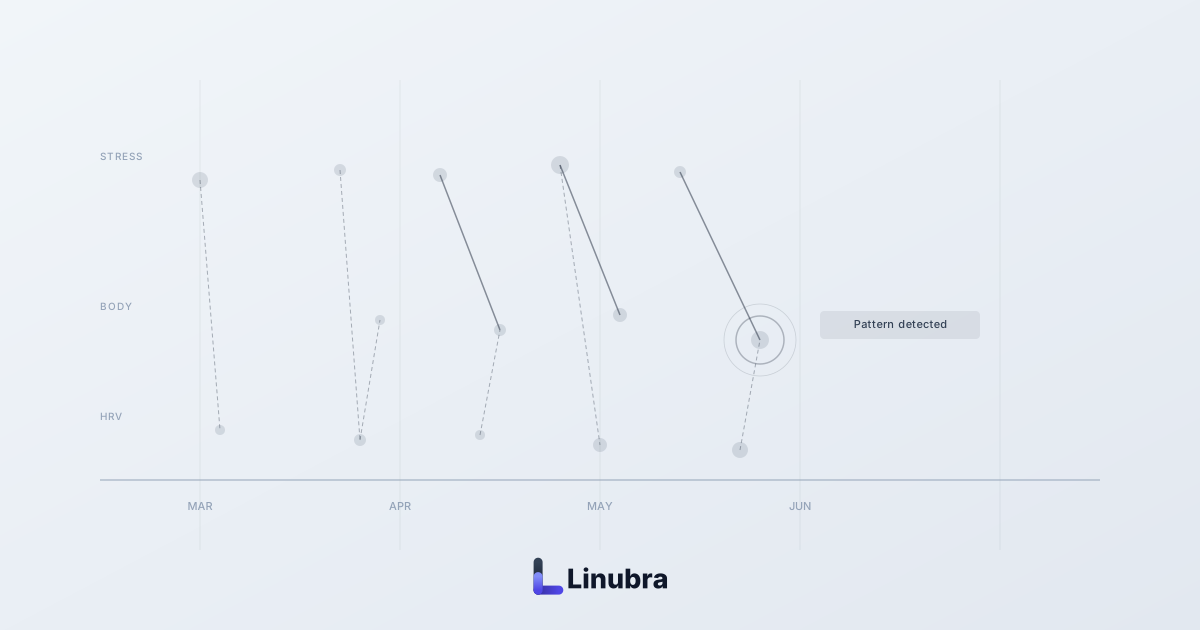
A founder's board-meeting stress caused a running injury three months later. Every data point was captured. None of them lived in the same place, so nobody — not the founder, not the physiotherapist, not any of his apps — ever saw the pattern.
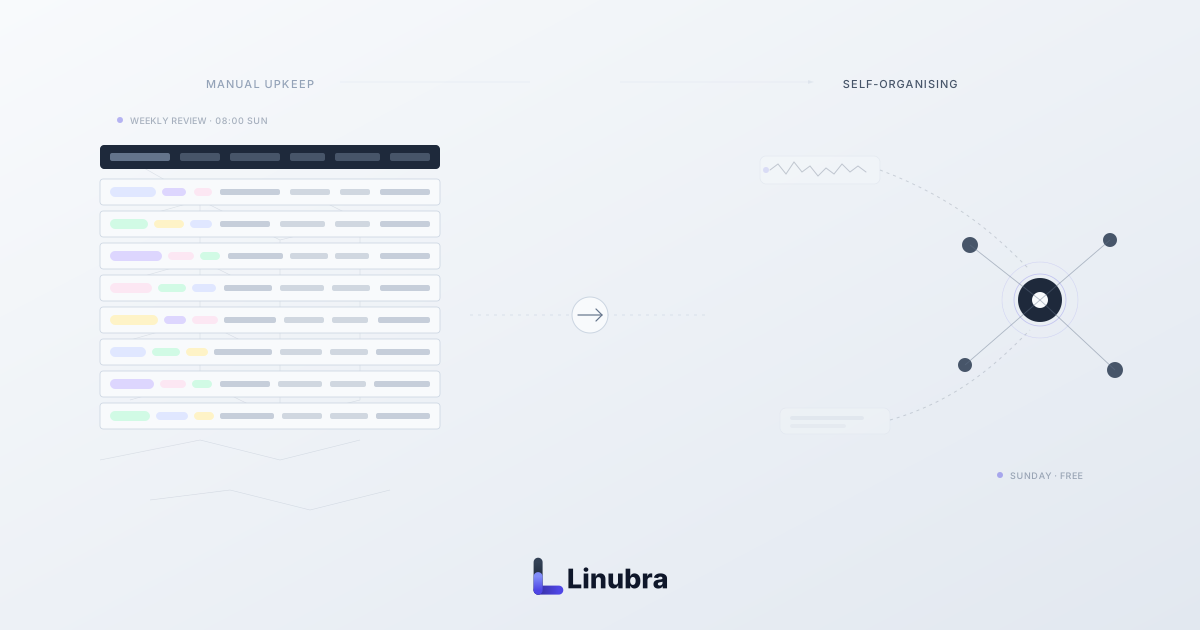
Every note-taking system carries a hidden maintenance tax. Most people never add it up. When you do, the number is roughly half a year of focused work every five years — spent not thinking, not creating, not deciding. Spent filing.
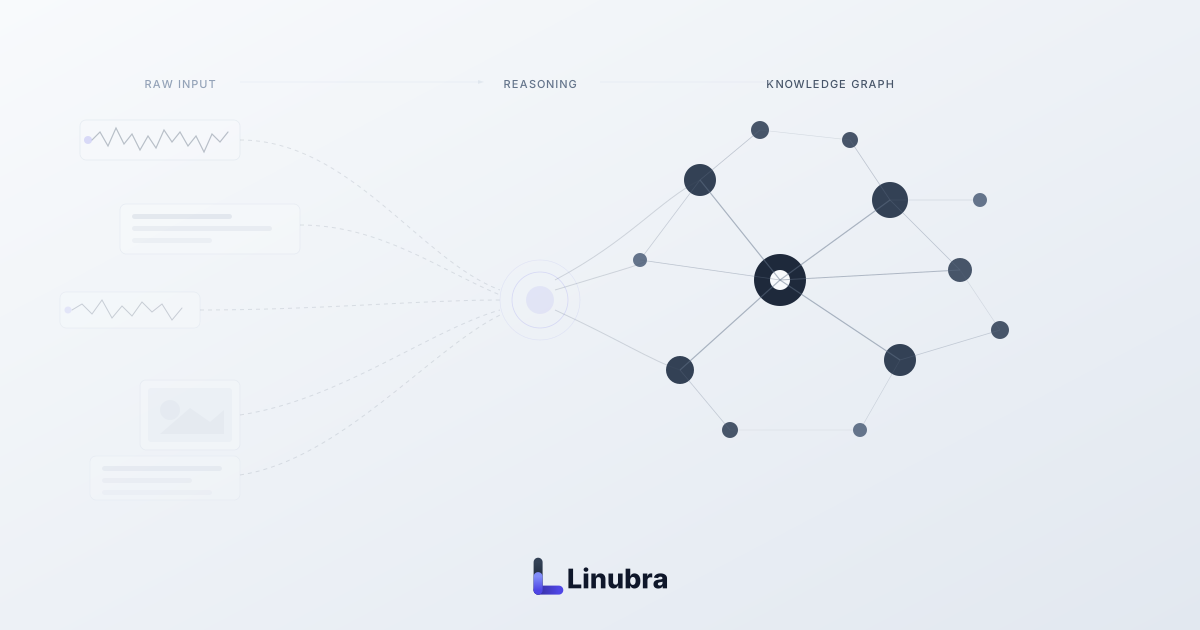
Two tools exist for remembering your life: manual notes apps that demand upkeep, and passive recorders that understand nothing. We built a third.